
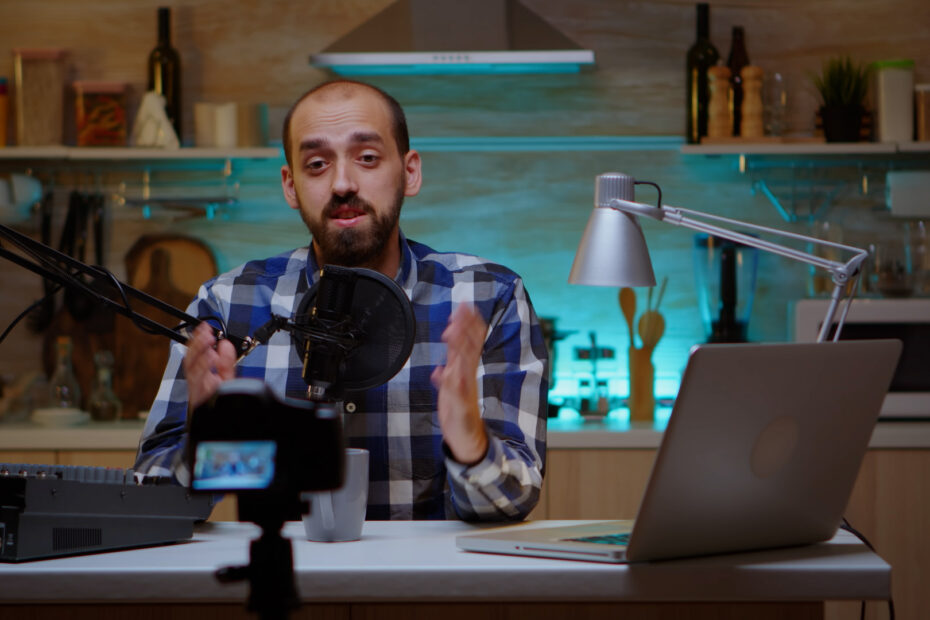
So you are interested in live-streaming for an upcoming trade show. Excellent. It is a relatively new technology that has only become widely available over the last few years, but with an increasingly all-digital landscape it is gaining steam fast. The good news is it is not difficult to produce a straightforward live stream with the tools available today.
First, the benefits. Live streaming, especially when paired with live chat, goes a long way toward building trust with current and potential customers. Viewers enjoy the live interaction: have you ever written a comment on a stream and had the host read it and acknowledge you? It is a surprisingly good feeling. Streams are also unpolished and raw, which gives an authentic look at you and your brand.
Here are a few practical applications, from simplest to most involved.
A live look at your production floor
Giving your audience a live glimpse into the heart of your operations shows just how capable you are and builds trust through an unfiltered look at how you work. Schedule it for a time when there is plenty of action, make sure your team is in appropriate, ideally branded attire, and let them know they are being streamed to avoid any colorful language on the mic. Announce a start time and a rough duration (30 to 60 minutes is plenty) so people can tune in when they are able.
A live Q&A
This can be as simple as a knowledgeable team member in front of a webcam. Keep it general, or dedicate each stream to a specific topic such as maintenance, or product design and tooling, with the right expert on camera. Whatever you do, have team members manning the chat to answer questions in real time, and keep a list of backup questions ready in case the audience is quiet at first.
A live panel with your team and outside experts
At the top tier, bring multiple voices together for a panel event. It positions your company as a knowledgeable leader and gives attendees a reason to show up live. Whichever tier you choose, live-streaming is a powerful, immediate way to connect with your audience when you cannot all be in the same room.